Tending to what matters most.
Tending is where the How of Providence Lane Homestead is laid out clearly and concretely. Here you’ll find specific information about adaptive multi-paddock grazing, animal care and handling, welfare standards and accountability, the characteristics of this place, and how wool and fibre move from land and flock into the world. This is the practical spine of the work — the decisions, frameworks, and methods that guide day-to-day care.
If you’re looking for how grazing is planned, how animals are managed, what standards shape welfare and accountability, or how fibre is produced and made available, this is the place to start. The focus here is on clarity and transparency — what is done, how it’s done, and the structures that hold the work steady over time.
Yes, there’s some overlap with Living and that’s intentional. Practice and experience can’t be entirely separate on a working homestead. But the emphasis here is different: this isn’t the place for values discussions — that happens in Living. Instead, this section gathers the practical elements once they’ve settled enough to be named and shared. Living is the foundation, Tending is the house.
From time to time, fibre or related products from the homestead are made available here. They’re always an outcome of tending rather than its purpose, so availability is seasonal and finite — products may appear once and then disappear. Two years ago, one of our ewes gave us an abundance of milk and I spent weeks making soap. Unless that happens again, we may not have soap for the foreseeable future. If you’re looking for something specific but I’m not the right fit directly, I have a community of trusted local retail and small-business partners and I’m glad to help make connections. Just ask me!
If you’re interested in the grounded details of how this place is cared for, then you’re in the right spot — just you go and pull up a chair.
“Sow a thought and you reap an action; sow an act and you reap a habit; sow a habit and you reap a character; sow a character and you reap a destiny.” ~ Ralph Waldo Emerson
— ❦ —
Notes from Tending
-
Rewilding vs. Restoration
Rewilding is making a lot of noise in land stewardship circles. What is it? Will it work in Alberta? How different is rewilding from restoration? In recent years, the word rewilding has become popular in conversations about land care. It carries a hopeful feeling — the idea that if we simply step back and let…
-
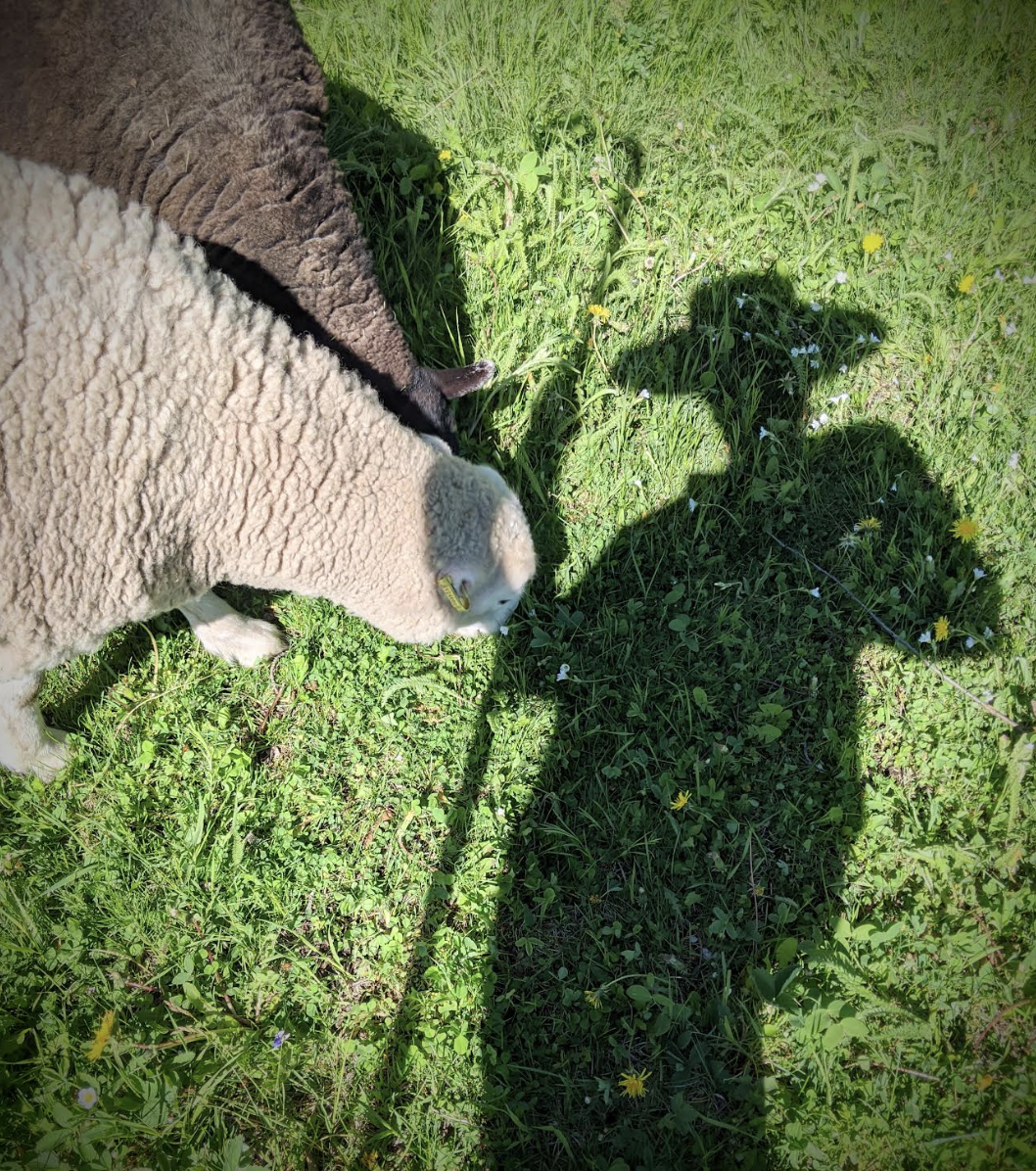
Care and Handling
Sheep and humans have been interacting for thousands of years but it’s only relatively recently that humans began using “systems” to manage the regular tasks that are part of sheep care. For those of us without them — no chutes, no crowding tubs, no panels — how can we handle sheep the “olde-fashioned” way? What…
-
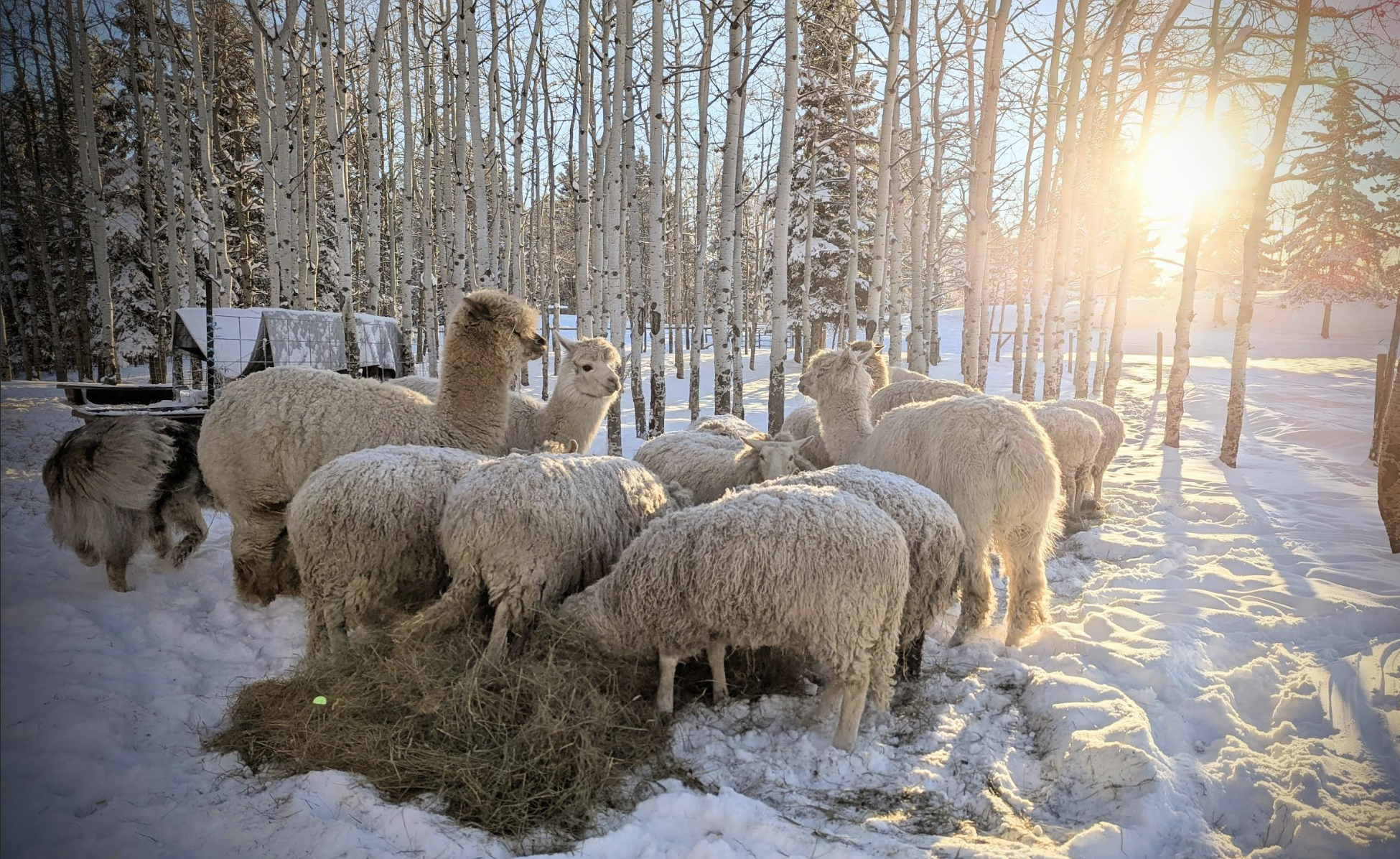
Choosing the Best Feeder For You (Well Actually, For Your Flock)
How does the feeder you choose impact the wool you sell? A fibre shepherd’s perspective When people talk about hay feeders, the conversation almost always revolves around one thing: WASTE. Which feeder wastes the least hay?Which feeder is most efficient?Which feeder will stretch the winter feed bill the furthest? Those are reasonable questions. Hay is…
-
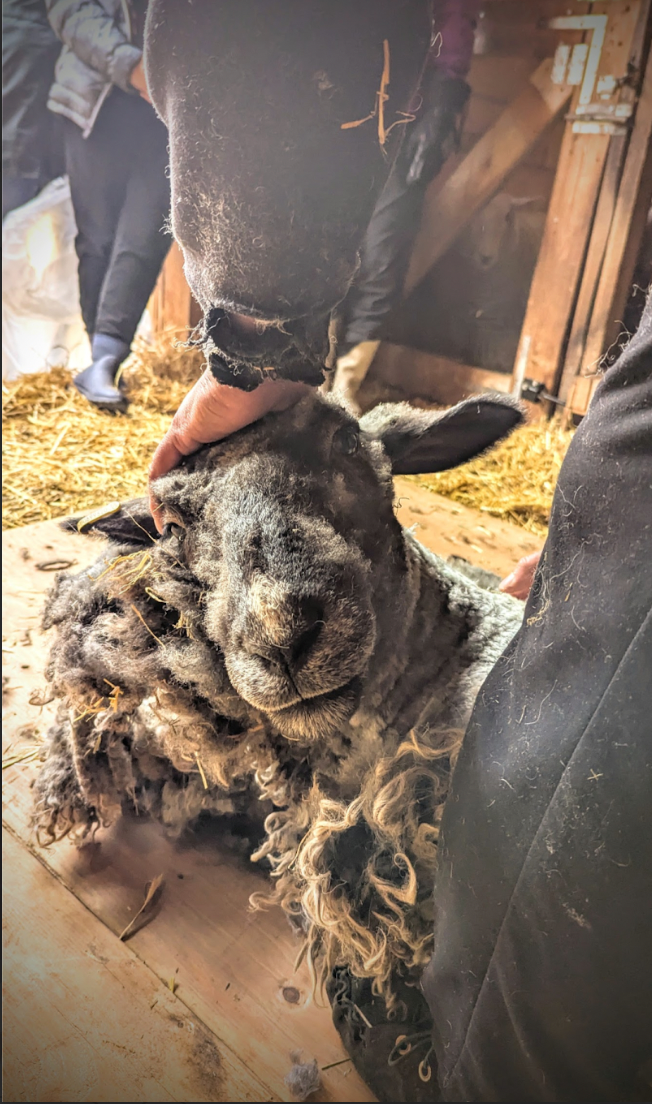
How to Buy A “Good” Fleece
Fleeces at the homestead! From top left — Banjo on the boards with Alex; Castor’s first fleece, cut-side up; Amy, looking a little fuzzy; Banjo on the left beside Levon, two distinct fleece “styles” in my flock; needle felting locks and figures from Erin Davis at Hawthorn Studios; weaving samples from Traceable Textiles in Edmonton…
-
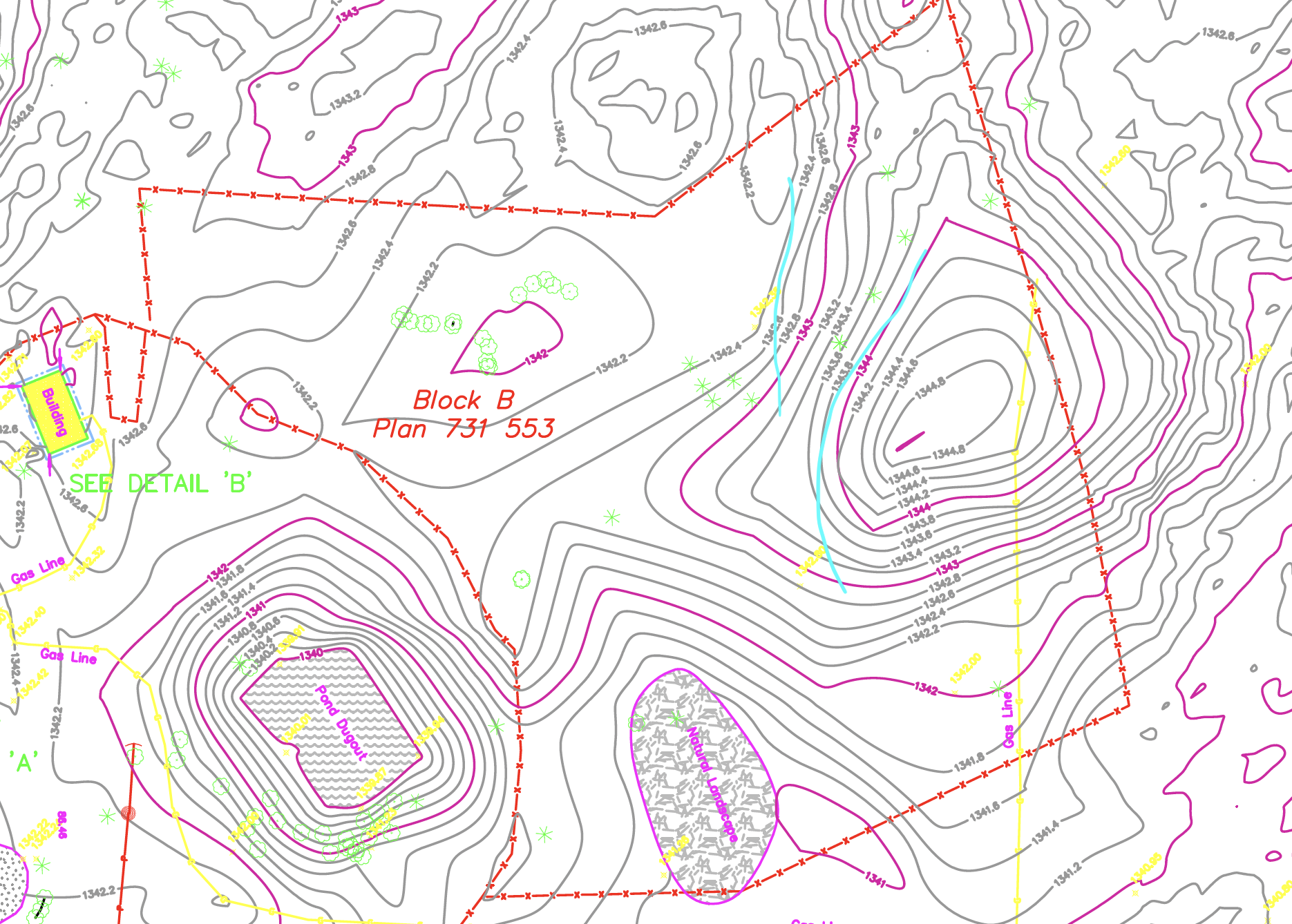
Maps!! I love a good map
Is there any tool more useful when it comes to land stewardship than a good map? Maps come in all kinds of formats and answer all kinds of questions. Chances are, if you’re wondering about something, there’s a map for that. Land stewardship sits somewhere between science and story. As a child, I loved the…
-
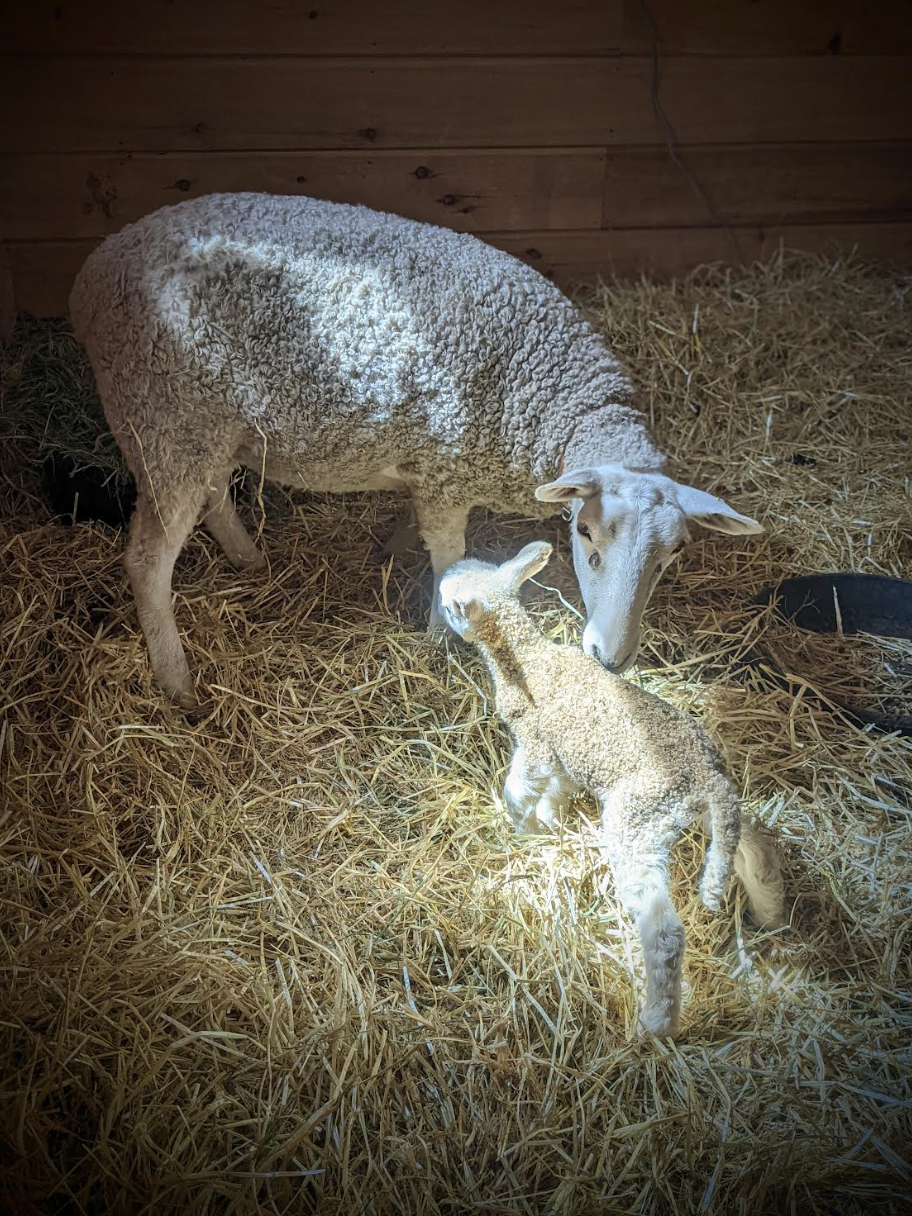
Always Come Down the Mountain – Let’s Try Something Fun.
In the most recent season of Clarkson’s Farm, Farmer Harriet told Jeremy “Always come down the mountain.” What was she talking about? When it comes to sheep, does the mountain matter? There is nothing fashionable about the stratified hill system. It was born when British farmers were trying hard to find ways to grow food…
-
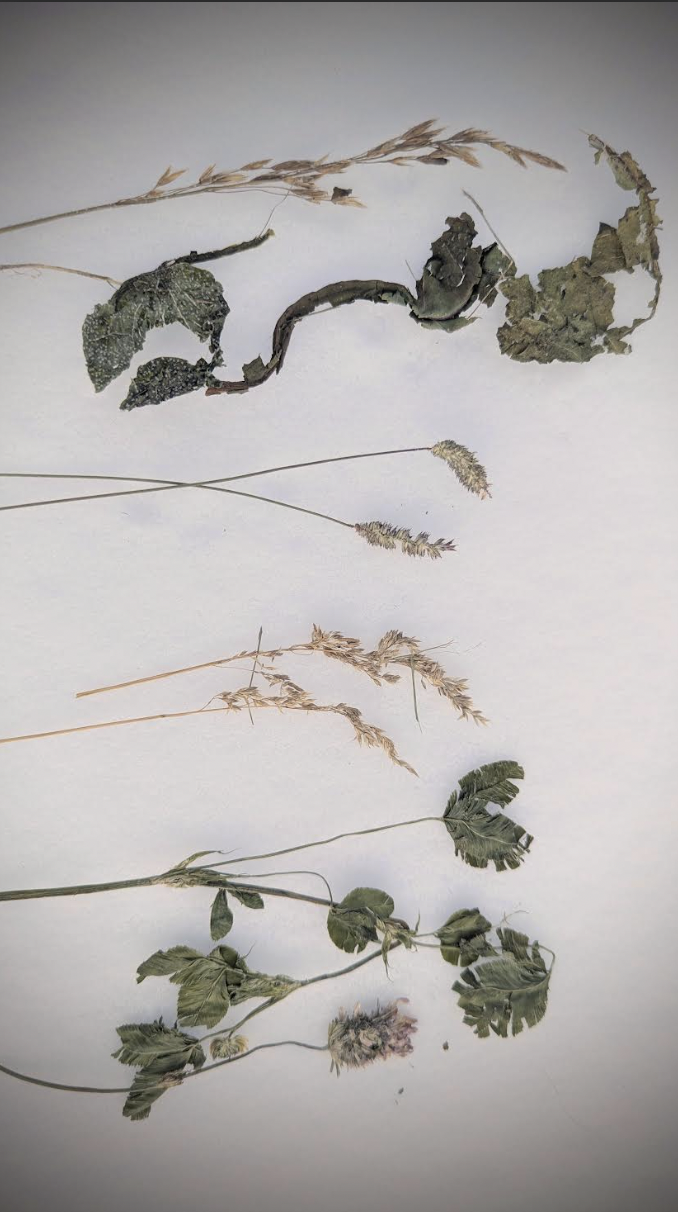
What Hay Can Tell You (with just your eyeballs)
There is a lot of knowledge to be gained by looking at hay. When you start to pull it apart, what story is hiding in your bales and how might it change or impact the way you use them? You don’t need to know the Latin names, you don’t need a forage analysis, you don’t…
-
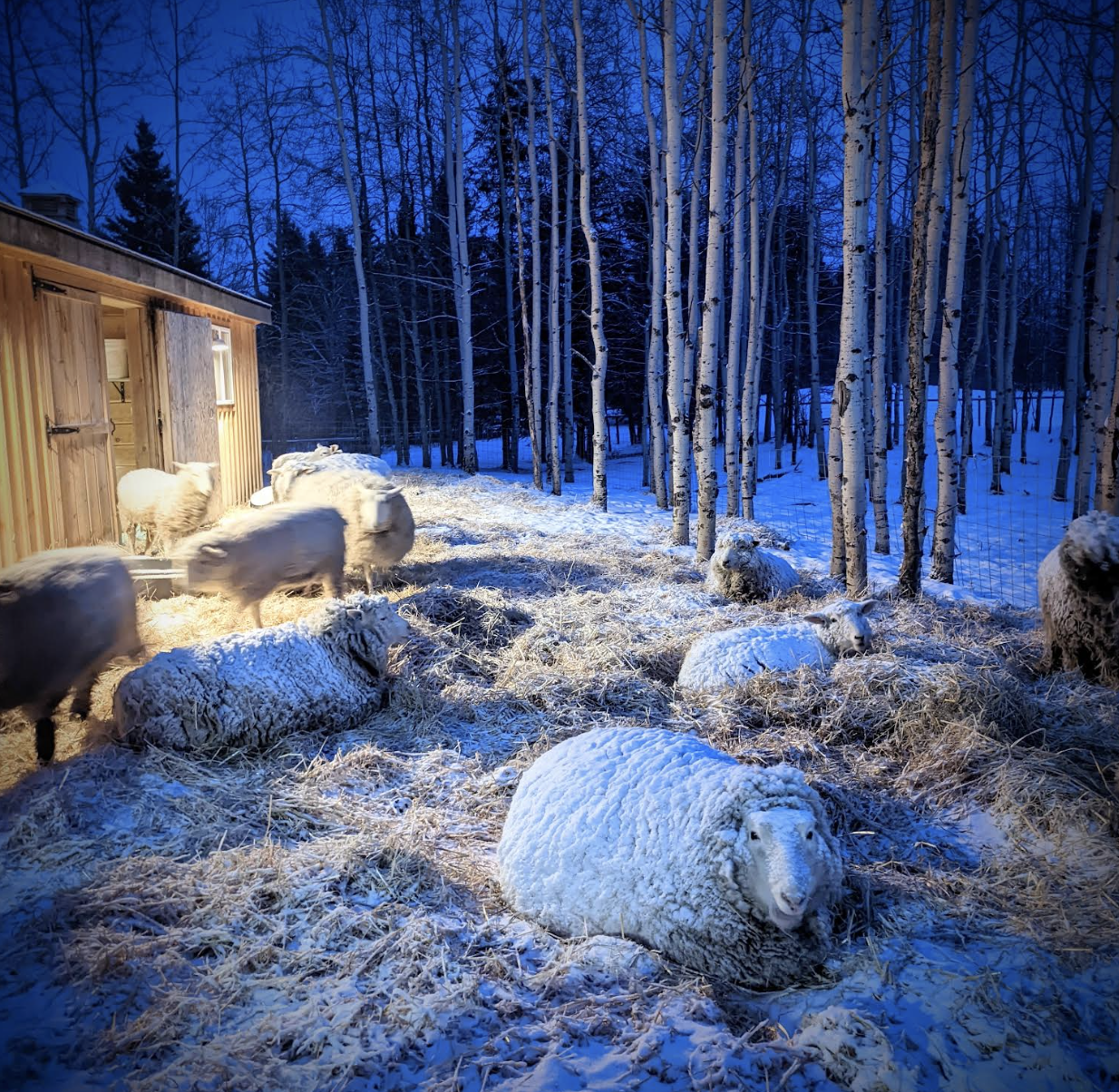
Poor Man’s Fertilizer
If the ground is frozen anyway, do trees, shelterbelts and partial canopy really matter when it comes to soil moisture? There’s an old prairie saying that snow is the “poor man’s fertilizer.” On the surface it sounds quaint — but there’s real science behind it, especially in Alberta’s cold, semi-arid landscape. However, in order to…
-
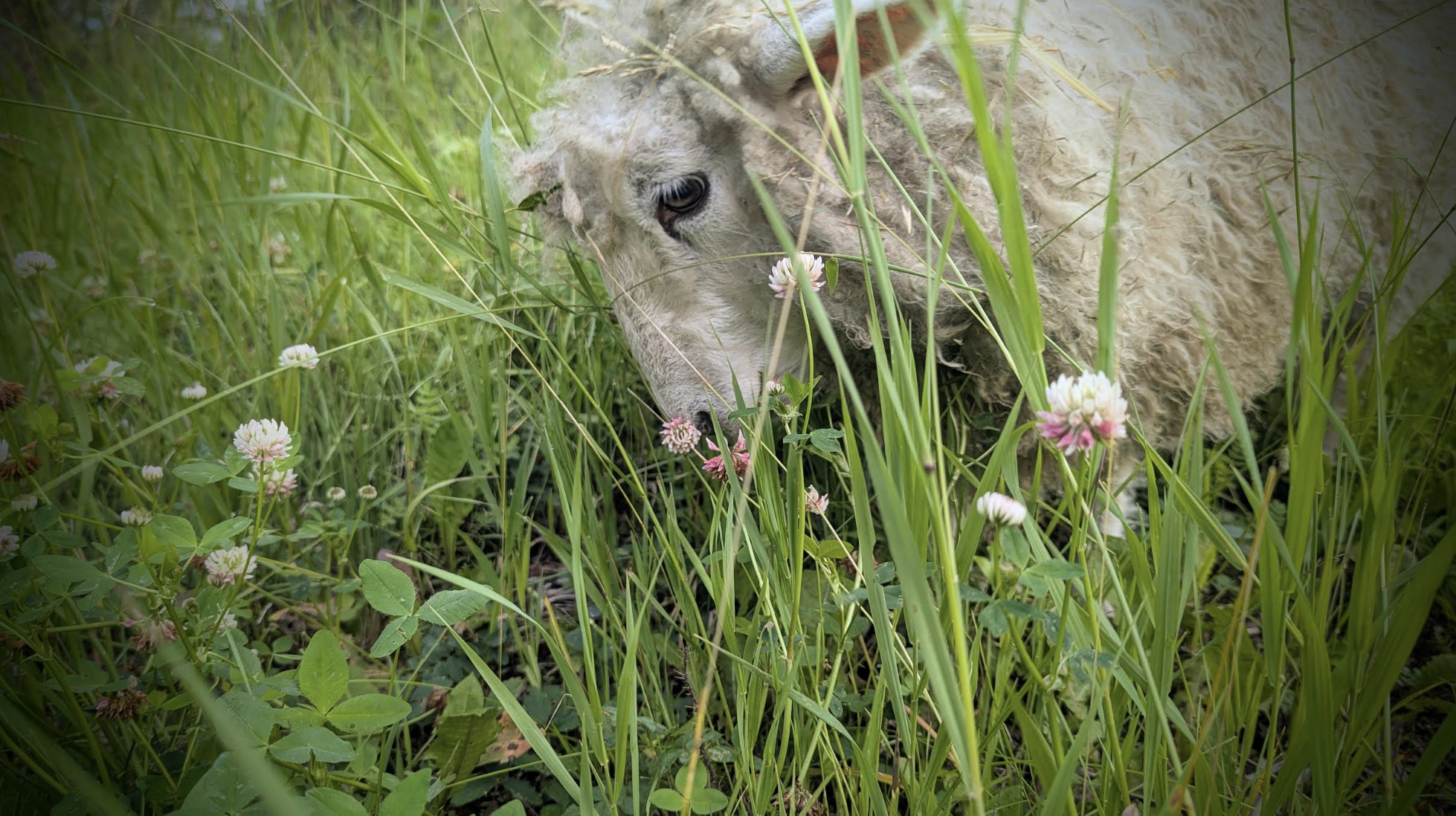
When Fire Isn’t an Option
What happens when an ecosystem that evolved with fire doesn’t burn? There are places where fire is the right tool—and places where it simply isn’t available to us, even when the ecology is practically begging for it. Regulations, neighbours, smoke risk, volatile weather, liability, proximity to infrastructure… sometimes “prescribed burn” is not a lever you…
-
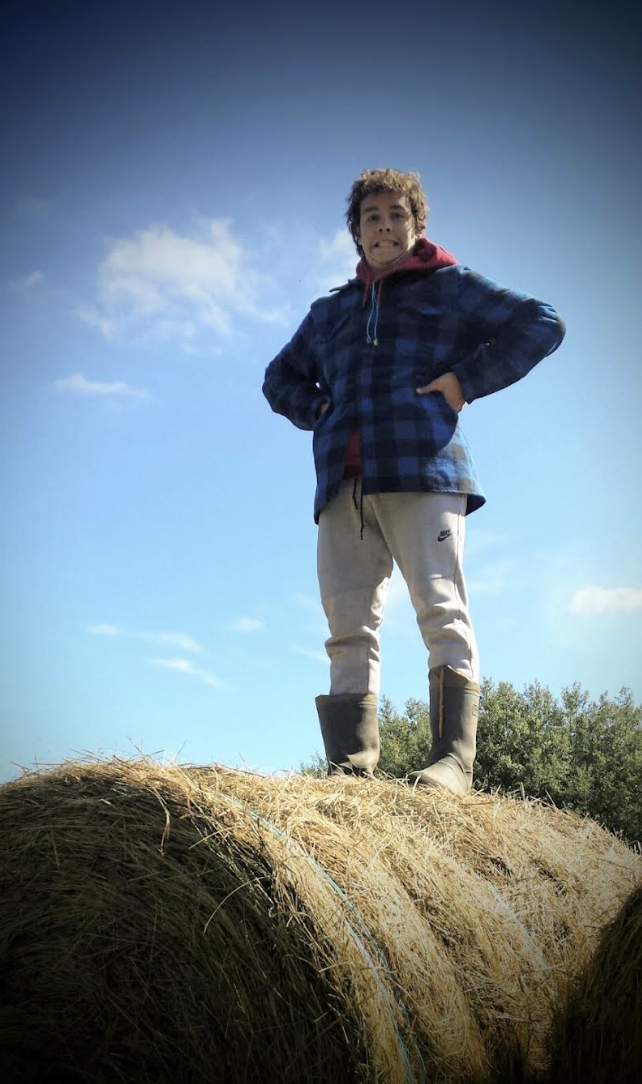
Hay Is NOT a Failure
Is hay a fallback? Or an integral part of your SUMMER feeding strategy? There’s a quiet assumption in livestock culture that grass is success and hay is compromise. Particularly in the regenerative agriculture space, there is a sense that if one resorts to hay, it’s a management error. But that only makes sense if we…

 Providence Lane Homestead