Is quarantine always necessary? Quarantine was a process I built from the ground up and with some great advice. I didn’t think much about it, until I had to. This is our quarantine story.
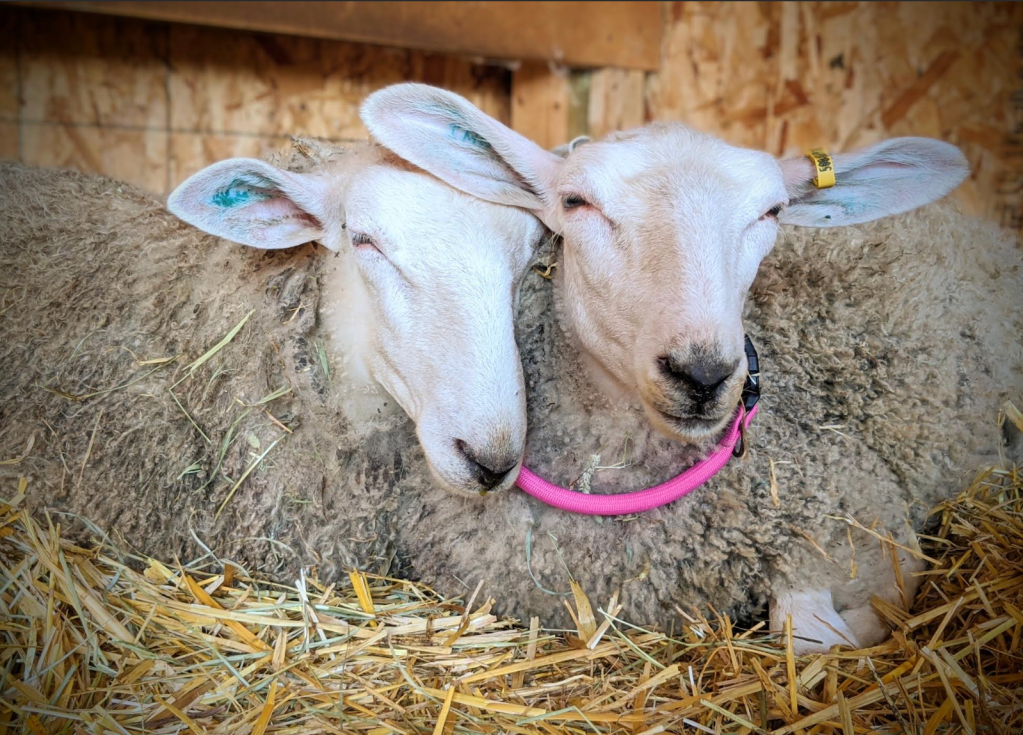
In 2020, I was excited about all things sheep. I had just gotten myself a few cross-bred ewes, a single purebred (though unregistered) Border Leicester — the famous Claire — and somehow, a few rare Cotswolds had come my way. It seemed like such a good beginning and I was excited about getting some more lovely sheep to add to my little flock.
Because I was so very new to all of this, I leaned heavily on my veterinarian, a large animal vet who had given me a sharp look and a straight answer when I had asked her if she’d be willing to see sheep. I was now also certified Animal Welfare Approved by A Greener World and was keen to put some different processes in place that would — I hoped — keep us safe from some of the pitfalls that can derail new sheep flocks. The one I lived in fear of at the time was Ovine Progressive Pneumonia.
Now, OPP (or Maedi Visna in Canada and the UK), is a tricky disease. There is no cure, it’s contagious and it doesn’t show up until the animal is in its prime. New sheep can be ticking time bombs, set to detonate into visible symptoms well after they’ve done the work of spreading the virus. The best way to deal with it is to prevent it and prevention happens with testing. Now before any of the established sheep farmers out there start howling at me, yes, I’m aware that the tests we currently have are . . . not 100 per cent reliable (more on that in another storytelling sesh). Still, the tests we have are the best tools we’ve got to detect the nasty illness so what I wanted to do was figure out a way to get any new animals tested before they entered my flock.
Which leads us to the quarantine protocol, a foundational element in every bio-security plan.
Quarantine is something almost all of us are familiar with now after COVID. We’ve all been through it, we know how annoying it can be. The goal of quarantine — then as now — is to limit any contact between potential carriers and healthy populations. I worked with my veterinarian to come up with a process, a process that would shut down the risk as much as was possible.
So this is what we did. We enclosed one end of a long shed — its low ceiling proving to be a hard-hitting lesson in height restrictions — and set aside tools and clothing that would be dedicated for that pen alone. Set far away from the main flock and with no shared facilities —no fencelines, no doors or gates, no water/feed/buckets of any kinds, no manure forks or compost piles, no nothing anywhere — the q-pen was entirely its own ecosystem.
Before too long, four purebred and registered Border Leicester ewes from Ontario took up residence, joined by their date for the next couple of years, a fine ram we called Clancy.
Setting the Scene
One week into quarantine, I noticed a problem. The animals had been transferred from their travel accommodations to my trailer with minimal fuss in a school parking lot not far from the highway. Everything had seemed fine — it was Summer time, things were warm and so I had put down the animals’ initial wide-eyed and panting appearance to heat and travel stress. The small group got themselves oriented in short order to their new accommodations in our quarantine pen, handily slurping water and nibbling unfamiliar hay. I visited them regularly to observe and help them get used to my presence, swaddled in my dedicated coveralls-and-boots. Sitting on my bucket in the corner, it was impossible not to notice a new smell hanging in the shed, a nasty stench that hadn’t been there yesterday. Waddling away from me at a good clip — still not entirely sure about their new shepherd — one of the ewes twitched her stumpy tail and a jet of grey, liquid feces tracked down her leg, adding a new sedimentary slime layer to what had clearly become a well-worn path. I was off my bucket in a second, navigating the perimeter of the pen and eyeballing everyone else — everyone’s backside was in the same condition.
When I called my vet, her initial reaction was . . . sobering. This was the first time I’d ever heard the word, “Johnes.” Johnes, like OPP, is another one of those terrifying diseases. It is reportable — which means if you have it in your flock or herd you must report it to the provincial authorities at which point, you’re not managing anything but a disaster — and it is virulently contagious. One of the first signs is liquid diarrhea followed by severe wasting and then death. We thought my new sheep were too young to be dealing with Johnes but there was no way we were taking any chances.
Fortunately, our vet was scheduled to be out for a Herd Health Check and to give me a lesson in vaccinations. With a maternity glove on, she carefully collected a sample off the closest tail, closed her fingers around the pudding poop and then peeled the glove off with the smear inside. Together we went through the remaining list of vitals; we checked heart rates, drew blood, listened to breathing, examined hooves (especially between the toe cleats), went over ears-and-eyes, carefully parted the fleece in several places to check the condition of the skin, got hands-on with scrotal circumference (Clancy had the good grace to act offended and marched away after this particular indignity with his head held high) and gave the necessary vaccines.
We had a touch of conjunctivitis but, pending the blood and poop results, everything to this point looked okay.
The Results Are In
Our quarantine period lasts anywhere from 4-to-6 weeks. Current recommended standards range up to a month but for us, we have found that is insufficient time — in the case of vaccines, animals that have been on a different program and are making the switch to ours need an initial dose followed by a booster at least four weeks later. As well, getting the blood test results for things like OPP often takes at least two weeks. In the event of internal parasites, you need to retest to ensure the dewormer you’ve used has done its work. Taken together, keeping the animals out of general population until those test results are in and booster period is over just makes sense — short-cutting the time period would nix any benefit in quarantine in the first place.
For Clancy and his harem — Amy, Jenny, Maude and Lizzie as they became known — when their test results came in, we discovered just how important the quarantine period had been. With a sigh of relief, we saw they’d tested negative for OPP and Johnes, we were safe. On the flip side, the sample had shown a ridiculous — and atypical — level of E.coli. Our new sheep were, indeed, very sick. Since our q-pen was brand new and had not previously housed animals, I assume the bacteria had been contracted in the travel trailer where stress and unfamiliar surroundings had given the endemic bacteria a chance to really take hold. Although I had been diligent in maintaining hygiene in the q-pen, it was now essential to make sure all the soiled bedding was disposed of properly and disinfection protocols — including footbaths, tool washing and sanitizing the bucket of my tractor — were rigorously in place. Sheep aren’t the only things that can harbour the horrible little bacteria, humans are also unwilling hosts. Something I was beginning to uncomfortably discover.
It Could Have Been Worse
Thanks to our extended quarantine period — a bit better than six weeks by the time all was said and done and which included a shearing to dispose of the caked bum wool — when I eventually allowed Clancy and the prettiest little ewes you ever did see to join the rest of the flock, they were probably the healthiest they’d ever been. I was 5 pounds lighter thanks to my own glancing brush with E.coli. The work it had taken to keep the q-pen in a fit state to support recovery, the extra work of washing buckets and boots, scrubbing feed troughs and moving hay and all while being beset by regular though mercifully infrequent belly-clutching cramps, was a colossal pain in the (quite literal) ass.
The thing is, if my brand new Border Leicesters had been allowed to join the rest of the flock, it would have been exponentially worse. The entire paddock, the barns, the pastures and all the infrastructure would have become a seething mass of microscopic foulness. By using and then rigidly sticking to my quarantine protocol for as long as it took to get everyone on an even keel (sorry), we made a tough situation as easy as was possible.
What It Looks Like Here
The scenario I’ve just described sounds like an incredible amount of work. That’s because it was. However, in the end it saved us even more work — and it may have even protected me and kept a tough-enough situation from being something that has sent others to hospital. Ever since this first, early experience, I’ve come to trust and value a solid quarantine protocol. And like you, I’ve heard enough horror stories of what can happen when “Good enough” or “Just for now” or some other rationalization gets in the way of people doing what they know is right. So this is what quarantine looks like here –
- animals leave the trailer and go directly into the prepared q-pen. The trailer is emptied and any bedding disposed of in a separate compost pile far from the flock. The trailer is then sanitized with Virkon (the same stuff your vet uses)
- dedicated water, mineral and hay with q-pen only buckets, troughs and tools. Clothing used in the q-pen is stored in a dedicated, lidded container and only worn for q-pen chores. Foot sanitizing (that handy Virkon again) is used every time going into and out of the pen. I only visit the q-pen AFTER chores in the main flock, never before.
- the quarantine pen is not connected in any way with the regular sheep facilities. There is nothing shared — not air space, water sources, fence lines, or any other permanent or temporary infrastructure. It doesn’t share space or infrastructure with any other animals that do share any facilities with the sheep — there is no access to chickens or horses that may share pasture space, a fence line, or hay. The only thing that does move between these zones is me. It is a contained and maintained zone.
- during quarantine, new animals undergo their first exam. This may include:
- eyes, ears, noses and teeth evalutation
- body condition evaluation
- respiration/heart evaluation (we’re looking for any early signs of pneumonia /shipping fever)
- temperature check
- collection of feces for a fecal egg count to check for internal parasites
- careful examination of the feet including between toe cleats and around the top of the hoof for any skin or hoof abnormalities which might indicate scald or foot rot
- blood collection for OPP and Johnes testing
- careful check of the skin at various places to ensure no external parasites (lice, keds or ticks)
- udder/scrotal evaluation
- shearing
- vaccines
Quarantine Considerations
There are a couple of things I try to do to make things as easy as possible for everyone — four legs and two — involved.
- I never buy animals from the auction. It’s not that there aren’t good animals at the auction, it’s that there are too many uncontrolled possibilities. Too many animals coming-and-going, too many people, too many vehicles. The possibilities of one sick animal spreading illnesses to other healthy animals is too high. The risk is too great.
- I never buy animals from farms that do buy animals from auctions. Again, the risk is too great. I always ask where their animals come from and when was the last time they brought in new animals and if they did any testing. The tests may not be perfect but they’re the best tools we have.
- Whenever possible, I try not to bring in single animals — I’ll try and bring them in pairs, if I can. Sheep need friends and the stress of being on their own in unfamiliar surroundings is too much — if I must, I will take one of my own animals, usually a wether (often Levon, our babysitter of choice) and make the introductions. Yes, if the worst should happen I might lose two animals instead of one. . . but the alternative could be losing my entire flock.
- I will ask for — and pay for — testing at the home farm with the understanding that the test results are sent directly to me and the deal isn’t done until I’ve got them and am satisfied. I check ear tags and I make sure everyone matches. Testing done at the home farm doesn’t mean I don’t re-test during our quarantine process — it just means I weed out any potential problems before they get on the truck. It’s also a handy little “compatibility test” for my relationships with other producers. If they’re resistant, I may want to re-evaluate our future.
- I make use of and insist on Sales Agreements to lay out obligations and expectations around health and testing clearly and cleanly. More on this in another post.
The Truth About Quarantine
There’s no such thing as foolproof when it comes to critters. Sigh. If there was, I would have some different stories to tell. I don’t get it right all the time and I know what kind of person I am. . . when I make mistakes, the ghosts in my head can — and do — serve up a choice selection of my most egregious cock-ups so I can relive the shame all over again. The best way I have found to keep everyone on both sides of my eyeballs quiet is to do the best job I know how to do with the best information I’ve got at the time. It doesn’t prevent every error in judgment but it does at least give me a protocol to work with and enough of a safety margin that I can at least dodge the worst consequences most of the time.
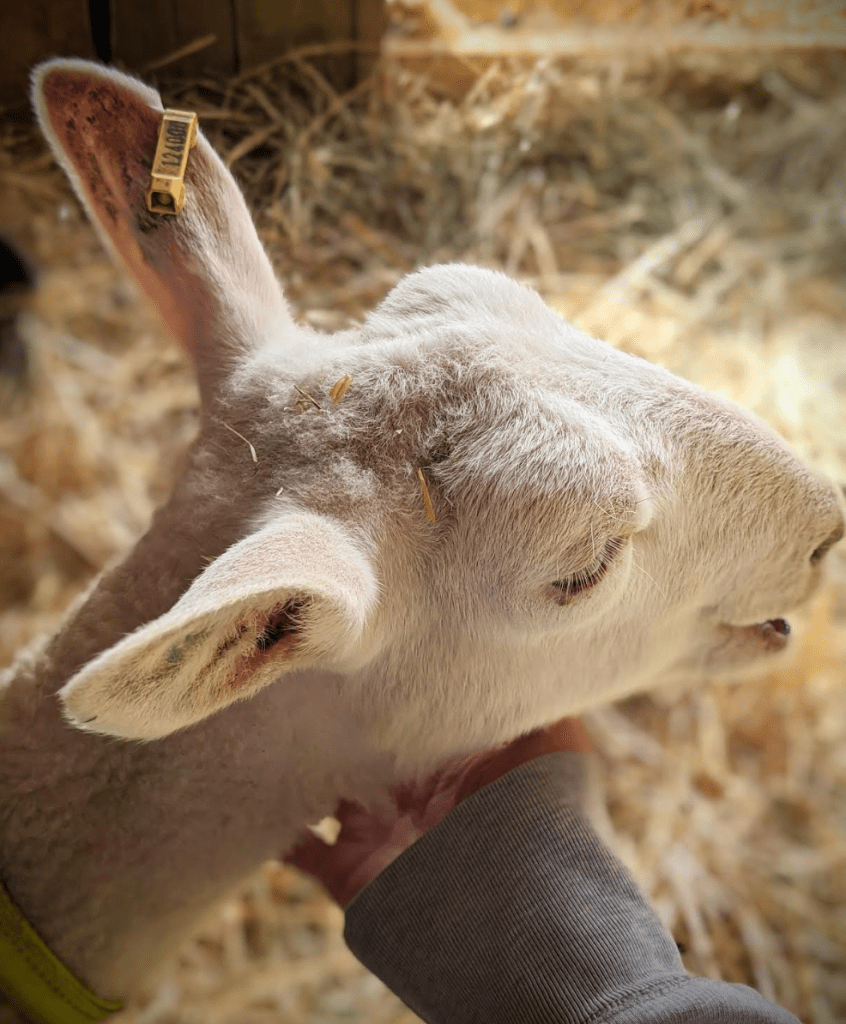
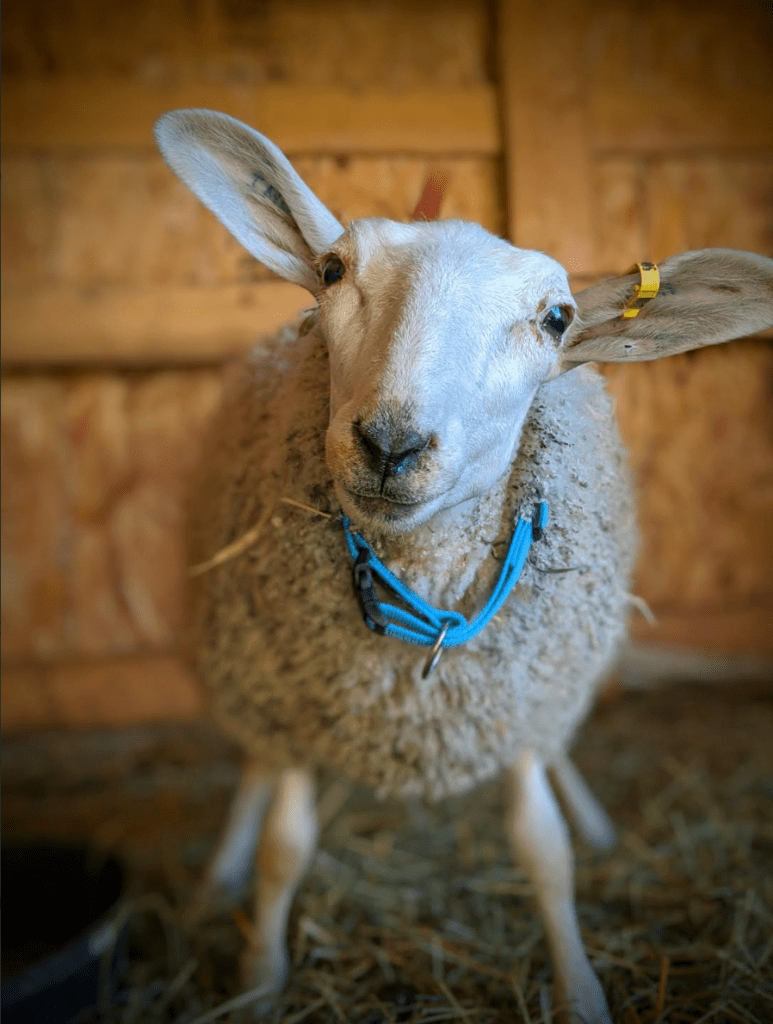
Quarantine is a lot of work. It isn’t a guarantee. It can mean extra money — in vet bills, feed bills and equipment. It’s inconvenient as hell. However, when it’s done well, it can also prevent chronic losses, animal suffering, years and years of hella-expensive disease management and the overwhelming, emotionally crippling cost of watching a flock of once-healthy and beautiful animals decline and die.
Looked at that way, quarantine is the cheaper option — every time and in every way.
This is a Tending post — a practical look at our tools, methods, routines, and on-the-ground decision-making. It’s not a one-size-fits-all how-to, and it isn’t meant to substitute for local knowledge or professional guidance. It’s just what we’ve found useful and what we’re doing here on our farm, in our conditions, with our sheep (and alpacas), written down plainly in case it helps. For more about why we do things the way we do them, the philosophy that informs our process, you’ll find those posts in Living.

 Providence Lane Homestead
Leave a comment