“You don’t know me.” That’s how the message usually starts. “I found you on Facebook and I was wondering if you could help. . . Can you please give my sheep a good home?”
The first time I got one of these messages, I was intrigued — there was something about it that felt a little off. It was like the woman behind the profile was seeping through the words on the screen — I could feel her desperation and her fragility. I could hear her tentative voice in my head.
The first time — even the first couple of times — messages like this came to my inbox, I responded (kindly I hope) with a polite refusal. My flock is “closed” which means I don’t take in sheep without going through a rigorous quarantine and testing process to protect my flock’s longterm health. But the messages kept coming, about three or four times a year, year-after-year, and eventually, even I knew something else was going on. I just didn’t know what it could be.
Until one afternoon, in a text conversation with Janeanne Madill, one of the founders from The Alice Sanctuary. Suddenly, all the dots lined up.
These women slipping into my DMs weren’t simply trying to offload sheep they’d got tired of. These messages came from women desperate to safeguard animals they loved from their own domestic nightmares.
Domestic and Intimate Partner Violence On The Prairies – What We Know
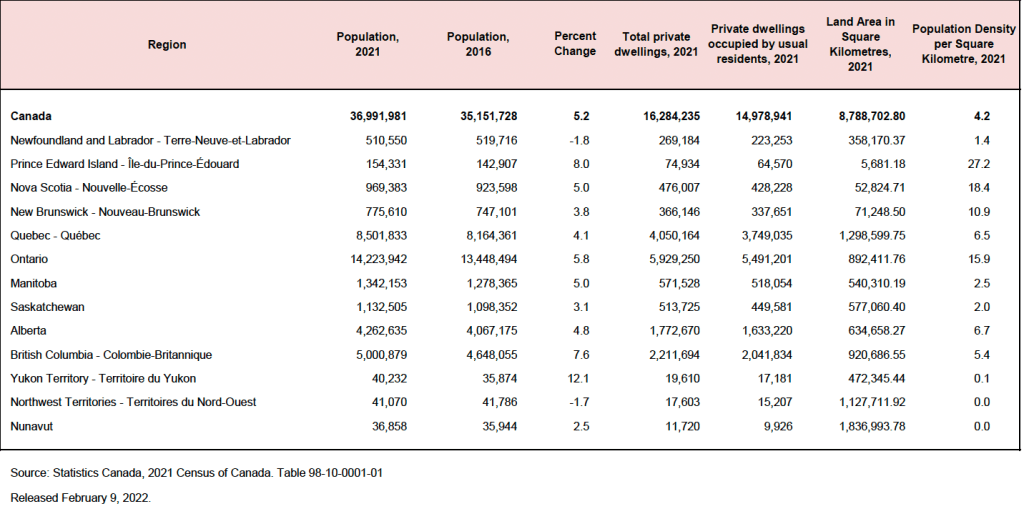
Saskatchewan leads the provinces at 714 incidents of domestic violence per 100,000 (the national average in 2024 was 356). In the prairie provinces specifically, Manitoba is second at 607 while Alberta comes in at 382. In a 2022 study, women-and-girls reported rates of violence were eight out of every 10 incidents.
When it comes to urban vs. rural data, a StatsCan report notes:
“In the provinces, the rate of intimate partner violence was 1.8 times higher in rural areas than urban areas (548 versus 300 per 100,000 population), and this pattern was the same for women and men. In rural areas, women had a rate of intimate partner violence that was 3.5 times higher than men (860 versus 246). Notably, the difference between rural and urban rates was larger for intimate partner violence than non-intimate partner violence (1.8 versus 1.4 times higher in rural areas).“
This is the reported data. Another report (also StatsCan) notes that 80 per cent of incidents of Intimate Partner Violence and/or Domestic Violence are NOT reported to police.
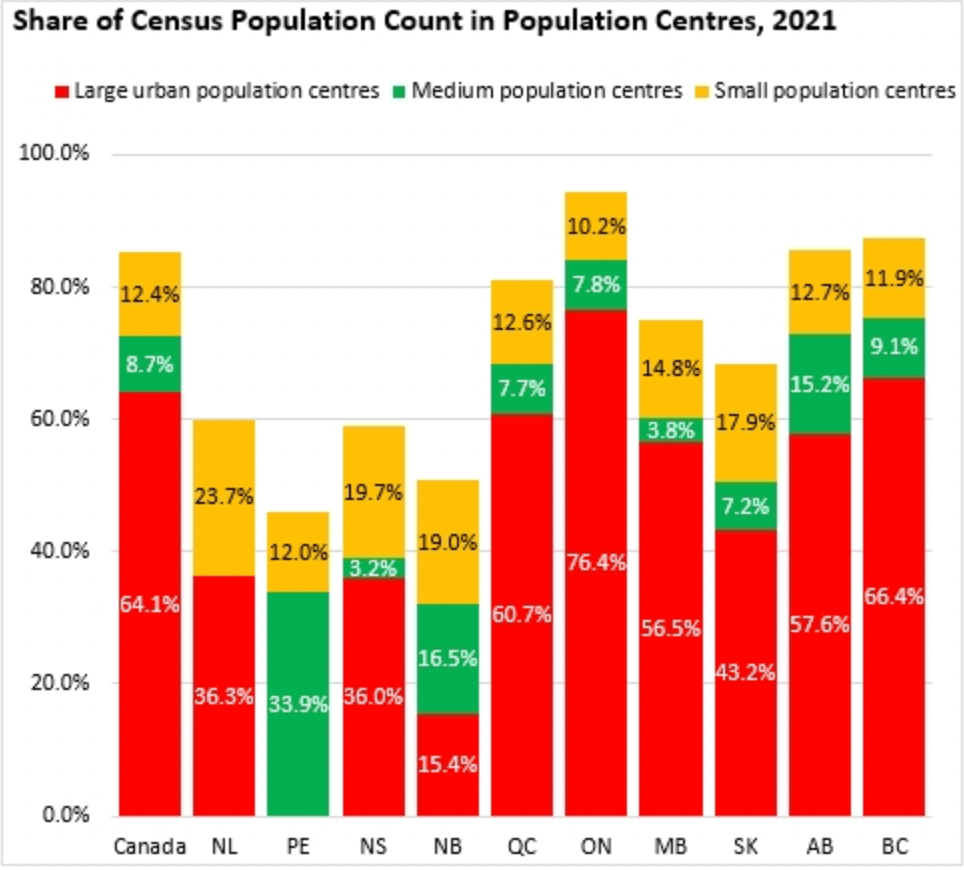
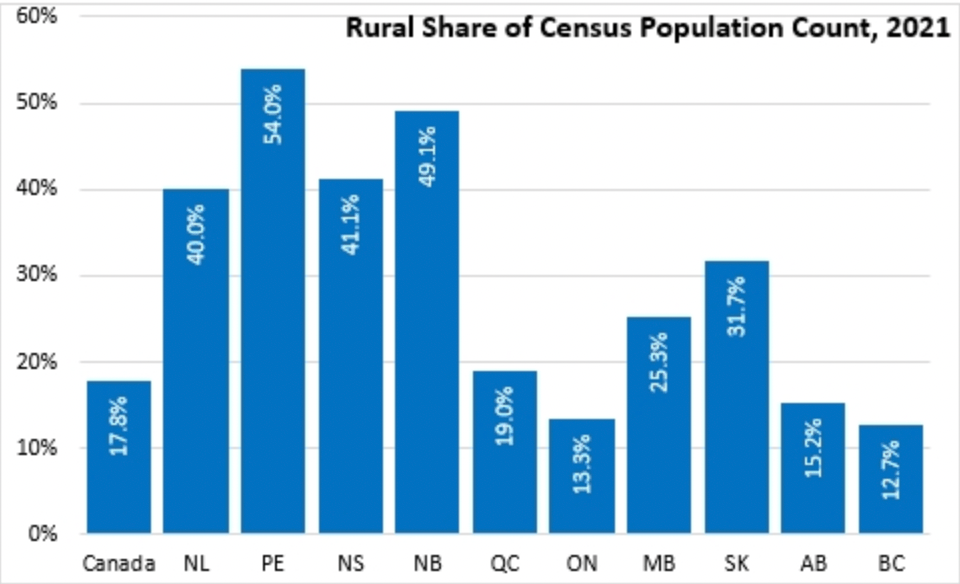
Provincially, with relatively high numbers of people living rurally and factoring in the distances to larger urban centres where resources for victims might be found, a University of Manitoba report, “Responding to Women” details some of the additional challenges women face trying to escape or access support. These might include family ties with law enforcement officers, weather/logistics making travel difficult or a higher number of firearms in the home. Then, crucially, there’s this:
“Some rural women may be farmers. Farming brings various sets of challenges to women who seek help – women may not be eligible for Employment Insurance or Canada Pension Plan; they may want to keep their investment and ensure their children’s inheritance; they may have special emotional connection to the farm and farm animals they care for. Most shelters cannot host farm animals, even pet-hosting needs special arrangements and is not always available, especially rurally.”
Rural Realities
Intimate Partner and Domestic Violence may look the same regardless of a postal code — the same despair, the same injuries, the same chaos. But for women and children on prairie farms and ranches, there are some critical differences. Domestic violence in these contexts is not just urban abuse with fewer neighbours. For people in this scenario, there is a profound complication:
If I go, what happens to the livestock? What happens to the farm?
In many cases, it’s not necessary for the abuser to directly threaten the livestock — the threat of neglect is enough.
“If you leave, I won’t feed them.”
“If you leave, I won’t water them or put them in the barn if it gets cold.”
“If you leave, what happens to them is your fault.“
For farming women, livestock — sheep, goats, cattle, horses, chickens — are not “pets” . . . or not just pets. These animals are also assets, they are legacy and vocation. They may represent generations of dedicated genetics, years of care and expertise. They are identity, inheritance and a future in farming.
We already know that women are less likely to leave abusive situations when they haven’t got anywhere to safely relocate cherished companion animals — 59 per cent of women delayed leaving in order to protect their pets and 36 per cent of Domestic Violence victims report that their abuser made threats against their animals and of those, the vast majority (85 per cent) were carried out. Imagine how much harder it is to find a home for 40 cow-calf pairs, a flock of bred sheep or a herd of alpacas? In livestock situations, abusers can extend coercive control through dependency (financial, logistical/environmental, social or physical among many others) and neglect rather than overt violence.
Having seen the worst of their partners already, is it so hard to believe that an abuser’s threats of abandonment, of refusing to treat or care for dependent animals, would constitute a formidable barrier to escape for a woman with very few options?
Canada does not directly measure Intimate Partner/Domestic Violence related specifically to livestock ownership. What we know tends to be more general and inferred from international communities that do collect this kind of data. However, in Canada, Saskatchewan has done the most work around this issue through their PATHS initiative. Internationally, The Guardian ran a story about the barriers and unique circumstances faced by rural women in Australia and highlights in particular the tradition of farming assets being passed through the male family members increasing female financial dependence and decreasing the likelihood of access to help.
So no, while we can’t say for sure how many women on prairie farms and ranches are struggling and surviving in abusive situations where the welfare of livestock is a concern (simply because no one is asking the question), we can say that violence involving farming and ranching families is likely undercounted, is structurally distinct and is complicated by agricultural assets, livestock care responsibilities, and dependence on land-based livelihoods.
On The Ground in Alberta
So what’s currently available for farming/rural women in Alberta? With so many women investing their time, skills and money in the farm and given that livestock represent not only the current revenue stream but also their means of supporting themselves and any dependent children into the future, what can these women do to safeguard themselves, both now and in the days to come?
It’s tricky. As of this writing, emails and phone calls to:
The Alberta SPCA
The Alberta Council of Women’s Shelters
The Alberta Veterinary Medical Association
Tanya Fir, Minister of Arts, Culture and the Status of Women
were not returned. A spokesperson from The Alberta Association of Agricultural Societies did respond to an email and wrote, “Unfortunately, I don’t believe the AAAS is the right vehicle to assist you,” rightly pointing out that livestock, as physical assets of a farming business, can be subject to criminal charges in the event they are removed from the premises.
My own MLA, Sarah Elmeligi (NDP) wrote that the issue was not one she had previously considered (she’s not alone! Until my chat with Janeanne, it hadn’t dawned on me either) but did forward my questions to Heather Sweet, Shadow Minister of Agriculture and Julia Hayter, Shadow Minister for Status of Women and noted she did feel there could be a role for the provincial government facilitating support networks. NOTE: If any of the agencies or individuals listed above get back to me with further information, I will update the post.
However, without any policy-driven and legally-recognized channels for safe removal and temporary housing of farm assets, including livestock, farming and ranching women in Domestic Violence situations can be faced with a stark choice — leave everything behind. . . or stay where they are. The current de facto strategy — relying on informal and temporary community-level networks — may not always be able provide the long-term safety and security women may need to get back on their feet nor will they shield a vulnerable woman from criminal charges.
Which brings us back to the only single official option I was able to find in Alberta — The Alice Sanctuary (TAS).
The ONLY Option Might Not Be The BEST Option
As a sanctuary, TAS provides a home for livestock animals surrendered to its care — that’s the only intake option currently available. The organization has recently launched The Lighthouse Fund, “An urgent/emergency care fund to help relieve barriers with beloved farmed animals for survivors of domestic abuse needing a safe space.”
According to founder Janeanne Madill, The Lighthouse Fund came about after TAS was contacted for urgent assistance at least 20 times since COVID. For the past five years, she says the organization has been contacted two-to-four times a year. When you add that to the requests I receive, that’s just under 10 requests a year from women desperate to find safety — for themselves, and the animals they love. And we’re just two people.
Animals surrendered to TAS are assured of a forever-home where every care and comfort will be meticulously and lovingly provided. For women with no other options, TAS is an excellent last resort. However, as a farmer myself, my heart aches for women who must, after so many personal losses — of dignity, of safety and security — now also confront the loss of livelihood and identity. It seems like a lot to ask of those who have had so much taken from them . . . except their courage.
What Would Help?
Alberta has domestic violence systems. Alberta has animal welfare systems. What it appears to lack is a bridge between them. In order to address the gap, policy makers might consider:
- emergency livestock foster networks
- confidential transport systems
- feed support
- veterinary triage pathways
- intake questions around livestock and coordination with law enforcement
- coordinated shelter-agriculture partnerships
- data collection
- policy recognition from municipal right through to federal levels of government
This is not necessarily a shelter problem — it’s an infrastructure problem, a coordination problem and a rural policy blind spot. Heck, if it wasn’t for Janeanne, I would never have connected my quasi-regular queries with Domestic Violence. And I’m here, on the ground in rural Alberta. . . Would not have occurred to me.
From the Fenceline
The research tells us that rural women experience Intimate Partner Violence at higher rates than their urban counterparts. That’s just the facts. However, it’s essential to consider that the violence in agricultural communities often operates within an entirely different set of practical realities — realities shaped by land, livestock, isolation, and responsibility.
In urban conversations about Domestic Violence, animals are most often discussed as beloved pets. In rural and ranching communities, they may also be breeding stock, income, food security, years of genetic investment, or simply living beings wholly dependent on daily human care. A woman leaving an abusive relationship on a farm may not only be weighing her own safety, but also what happens to sheep that need feeding, horses that require care, or livestock that may suffer through neglect — stated or implied — if she leaves them behind.
What makes this issue especially difficult to quantify is that Canada does not appear to systematically measure it. We have strong evidence that rural IPV rates are elevated in the Prairie provinces. We have emerging Canadian evidence — particularly from Saskatchewan — showing that livestock responsibilities can complicate escape planning. We have extensive American and Australian research demonstrating that concern for animals routinely delays women from leaving abusive situations. And we know rural women face additional barriers related to geography, anonymity, transportation, housing, and economic dependence. What we do not yet have is a coordinated effort to connect those realities into policy, services, and data collection.
And yet, the gap itself tells a story.
Many women may never report that livestock were part of the reason they stayed, delayed leaving, or returned. But that does not mean the barrier is rare. It simply means no one thought to ask.
If there is reason for optimism, it lies in the fact that conversations are beginning. At least one organization in Alberta is starting to recognize the intersection between interpersonal violence and animal welfare. More sanctuaries and safekeeping programs may emerge as a result. Researchers in other jurisdictions are beginning to document what rural women have likely known for a long time — in agricultural communities, violence does not occur separately from the realities of land and livestock, it occurs within them.
Recognizing that reality may be the first step toward building systems that allow women, their children and the animals that depend on them, a safer path forward. A path that leads them back to a life they love — in safety, on land and with their animals.
— ❦ —
Rural and agricultural women facing domestic or intimate partner violence often carry additional burdens: livestock, land, children, isolation, transportation barriers and concerns about what happens to animals left behind.
If you are in immediate danger, call 911.
If you need support, these Alberta and Prairie-region resources may help:
ALBERTA
- Alberta Council of Women’s Shelters
- ShelterSafe (find shelters by postal code)
- Alberta SPCA Pet Safekeeping Program
- The Alice Sanctuary — Lighthouse Fund
- Sagesse Domestic Violence Prevention Society
- Fear Is Not Love (formerly Calgary Women’s Emergency Shelter)
- Alberta 211 — Dial 211 or visit to find resources in your area
SASKATCHEWAN
- PATHS (Provincial Association of Transition Houses and Services of Saskatchewan)
- Provincial Association of Transition Houses & Services shelter directory
MANITOBA
If you are a producer, veterinarian, transporter, livestock owner, sanctuary, hay or feed supplier, rescue or rural organization interested in helping build practical support systems for women and livestock in crisis situations, please reach out. This conversation is only beginning.
To donate to The Lighthouse Fund
This is a Living post, a post to share my thought processes, my experience and the philosophy that underpins our activities here at the homestead. It is not a how-to, “expert advice” or meant to reflect a wider experience than just my own, on my farm, here with my sheep.


Leave a Reply